



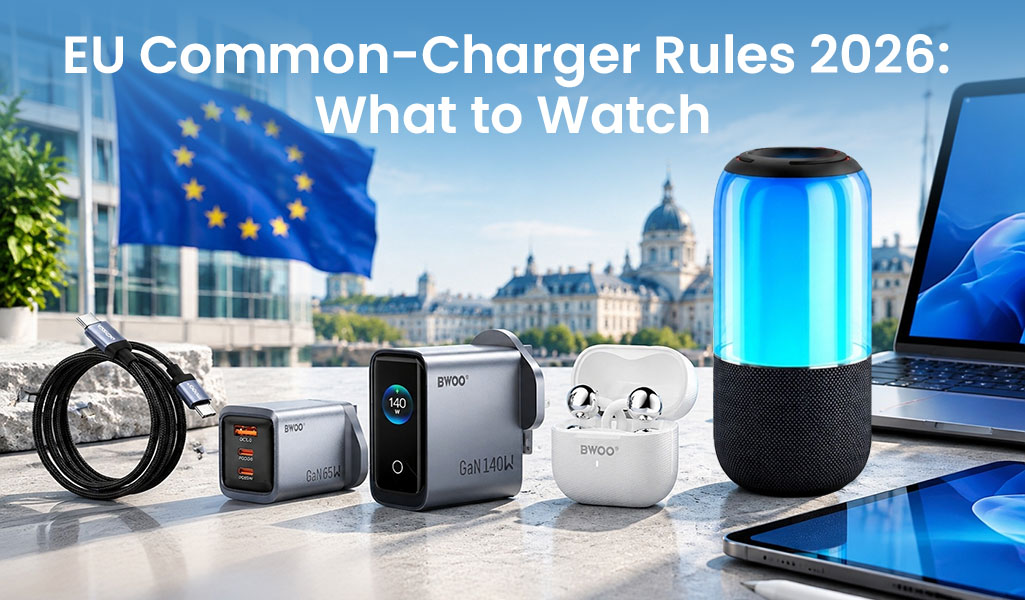
For accessory brands selling into the European Union, the common-charger framework is not just a connector trend. It affects product design, charging compatibility, packaging information and the way devices and chargers are presented to consumers. In 2026, the important task is to distinguish what already applies from what the European Commission is still reviewing.
According to the European Commission, common-charging requirements have applied to listed categories—including handheld mobile phones, tablets, digital cameras, headphones, headsets, portable speakers, e-readers and earbuds—since December 28, 2024. The requirements also apply to laptops from April 28, 2026. Scope and applicability depend on the covered product and its charging capability, so a product-by-product review is essential.
1. What the current framework asks covered products to address
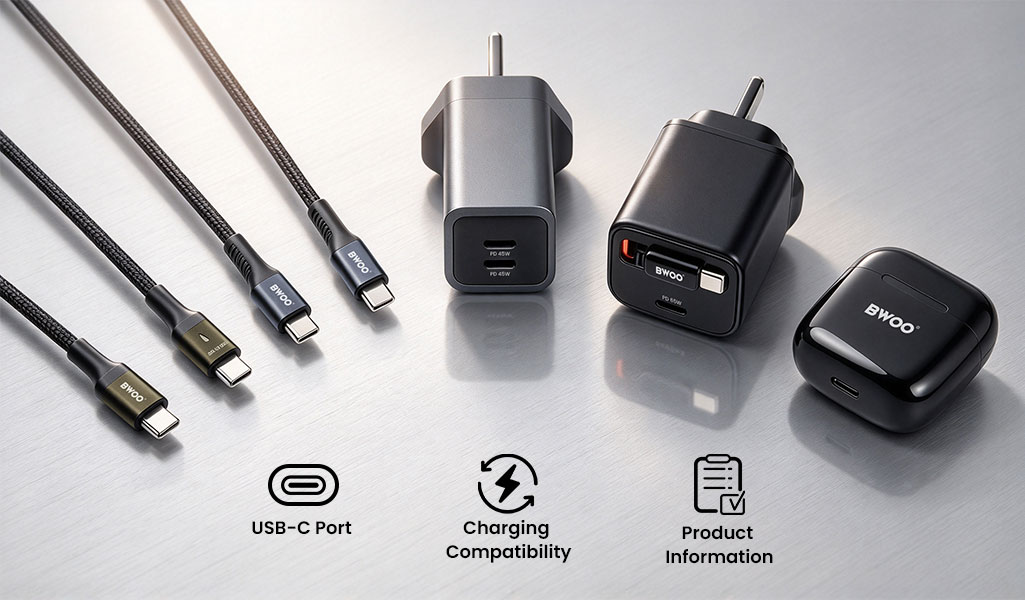
The Commission describes several main elements: a harmonised USB-C charging port for covered devices, harmonised fast-charging technology, the option to sell a device without a bundled charger, and clearer visual and written information about charging capabilities. For devices requiring more than 15 W, USB Power Delivery (USB PD) is part of the harmonised fast-charging framework. Product teams should verify the exact legal text and guidance before applying any requirement to a specific model.
Area | What the framework addresses | What a B2B buyer should verify |
Charging port | USB-C is the common port for covered devices with wired charging, subject to the directive’s scope and conditions. | Port type on the final production model; whether any exemption or product-specific condition applies. |
Fast charging | Harmonisation of charging technology, including USB PD for covered devices requiring more than 15 W. | Supported power profiles, device/charger interoperability and model-specific test evidence. |
Charger bundling | Consumers can buy covered devices without a new charger. | Package contents, SKU variants, listing images and the required consumer-facing information. |
Charging information | Visual and written information helps consumers understand device power needs and fast-charging capability. | Labels, pictograms and printed/digital product information match the final configuration. |
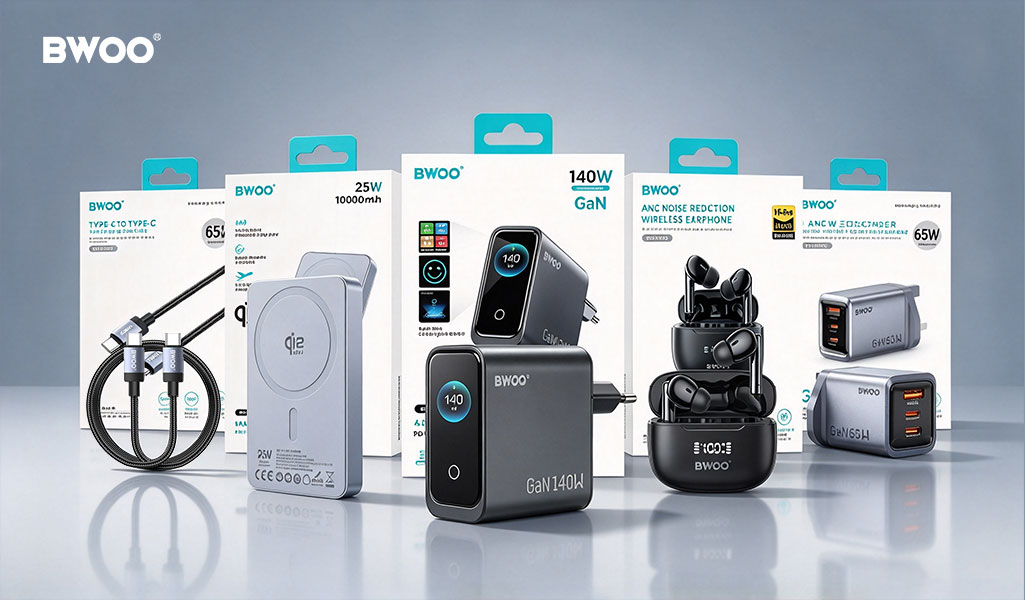
For teams sourcing chargers, the practical response is to ensure the stated output, port configuration and supported protocols match the actual product. BWOO's charger collection can be used as a starting point for reviewing charger formats, but compliance must be determined per model and market—not by category name alone.
2. What is being considered for future scope?
On June 30, 2026, the Commission submitted its first report assessing categories not currently covered by the common-charger requirements. The report identified seven categories for consideration: smartwatches, fitness trackers, smart glasses, wristbands, AR/VR headsets, drones intended for personal use and video game controllers. This is a policy review, not a statement that every listed category is already subject to the same obligations.
The distinction matters for product planning. A brand developing wearables or adjacent accessories should monitor the regulatory process and design for sensible charging interoperability where commercially appropriate, but should not label a product as legally covered—or exempt—without checking the applicable rules.
3. What about charging cables and separate sale requirements?
The Commission states that by December 28, 2026, it will report whether an extension of charger unbundling requirements, and/or mandatory unbundling, to cables should be considered. That is a review deadline, not proof that a new cable-separation rule already applies on that date.
For brands and distributors, this is a good reason to audit cable and charger bundles, but not to assume a future legal outcome. Review how cable-only products, charger-and-cable bundles, replacement accessories and package images are currently described. Keep the commercial assortment flexible while waiting for official developments.
There is also a separate, longer-term milestone: the Commission says Regulation (EU) 2025/2052 on ecodesign requirements for external power supplies will apply from December 14, 2028. The announced measures include USB-C as the default port for covered chargers (subject to stated exemptions), detachable cables, power marking at each port and a common-charger logo. This is a future application date for a separate regulation, not part of the December 2026 cable-unbundling review. Product teams selling chargers into the EU should track this regulation as a distinct workstream.
4. A practical checklist for accessory brands and distributors
Map each SKU to a product category. Do not apply the same interpretation to a wired-charging device, a charger, a cable and an accessory that does not fall within the same legal category.
Check the final hardware. Verify the charging receptacle, protocol support, output profiles and simultaneous-use behavior from model-specific specifications and test documents.
Review package variants. Keep charger-included and charger-not-included versions distinct in the BOM, SKU code, packaging artwork, online listing and product imagery.
Align the claims. Do not claim universal compliance merely because a product has USB-C. Connector type is only one part of the applicable requirements.
Track official updates. Review the European Commission page, published delegated/implementing acts and relevant guidance before revising a compliance statement.
Keep a change log. Record the version of the regulation or guidance consulted, date of review, product models checked and any unresolved questions for the compliance team.
For a broader product overview, BWOO's charging solutions page and data cable collection can help teams map related product families; they are not substitutes for a model-level conformity assessment.
Conclusion
As of October 2026, the core common-charger requirements already cover several major portable-device categories and laptops. The possible inclusion of additional wearables and the future of cable unbundling remain matters to monitor, rather than rules that should be presented as fully enacted. For B2B buyers, a current SKU map, consistent packaging information and a documented compliance review are more useful than broad claims that every USB-C product meets the same requirements.
FAQ
Does the EU common-charger framework apply to laptops in 2026?
Yes. The European Commission states that the requirements also apply to laptops from April 28, 2026. Confirm product-specific scope and requirements in the official guidance.
Are smartwatches and smart glasses already covered by the same rules?
The Commission's June 2026 report assessed these and other categories for possible future extension. The report should not be read as automatically adding every listed category to the existing legal scope.
Does every USB-C charger automatically comply?
No. USB-C is one element of the framework. Applicable charging protocols, charging information, packaging and other requirements still need to be checked.
Will cables have to be sold separately after December 28, 2026?
The Commission says it will report by that date on whether extending charger unbundling requirements to cables should be considered. That is a review, not an announced universal start date for a new rule.
What records should a distributor request?
Depending on the product and market, request the applicable declarations, reports, technical specifications, label artwork and the exact model/SKU identification. The responsible compliance team should confirm the required document set.
Review charging-related products in the BWOO charging solutions range, and validate each model against the requirements that apply to its product category and destination market.


