


Choosing a mobile accessory brand for wholesale is not simply a matter of picking the most familiar name. A retailer may need broad category coverage and consistent product information; a distributor may value regional support and repeatable supply; a brand owner may need customization options and a clear process for samples, packaging and compliance documents. The right shortlist depends on the business model and the target market.
The phrase “best Chinese mobile accessory brands” can therefore mean several different things: consumer-facing brands with strong retail recognition, accessory companies with a broad portfolio, or suppliers that can support private-label and OEM/ODM projects. These are related, but they are not interchangeable. A popular retail brand does not automatically offer private-label manufacturing, and a capable manufacturer may not have the same retail profile as a consumer brand.
What B2B Buyers Should Compare First
1. Product portfolio and category fit
Start with the categories your customers already buy or regularly ask for. A single-category specialist may be suitable when the goal is to build depth in one product group. A broader accessory portfolio can simplify assortment planning when a distributor wants to source charging, audio, power and car accessories through fewer supplier relationships. Portfolio size alone is not a quality score: buyers still need to check the models, specifications and price tiers that actually fit their channel.
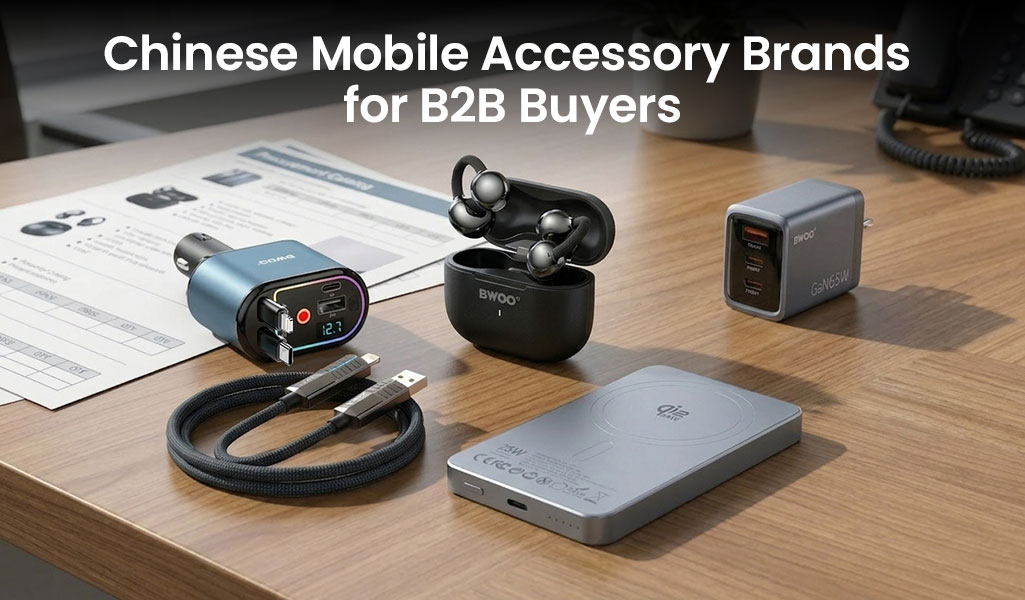
For example, a buyer building a charging assortment can review the BWOO Power Bank collection, Charger collection and Data Cable collection to see the visible range of product formats. The same principle applies to any brand: examine the live catalogue and compare specific SKUs rather than relying on a broad tagline.
2. Brand distribution versus OEM/ODM supply
Clarify what kind of relationship you need before contacting a supplier. If you want to resell an established brand, ask about authorized distribution, regional exclusivity if relevant, channel policies, price lists and after-sales support. If you want your own brand on the product, ask whether the supplier supports logo printing, custom packaging, specification changes or new product development. The phrase “OEM/ODM available” is not enough; the scope and conditions should be explained in writing.
BWOO presents itself as an R&D and manufacturing-oriented mobile-accessory company serving global distributors and brand owners. Buyers considering that type of partnership can review the BWOO OEM/ODM page and the OEM/ODM guide from sampling to bulk delivery before preparing a project enquiry.
3. Evidence, not just claims
Request documentation tied to the exact model and intended destination market. Depending on the product, this may include relevant test reports, declarations, certification records, technical specifications, packaging artwork, battery or transport documentation, and clear instructions for use. A logo or a list of certificate abbreviations is not a substitute for checking the document number, issuing body, model coverage, validity and product version.
Also compare sample consistency. A sample that looks and works well is only the start; the buyer should understand how the approved sample will be used as a reference for production, what inspection steps are agreed and how non-conforming goods are handled. For deeper sourcing questions, see BWOO's guide to OEM/ODM sampling and bulk delivery.
Examples of Brands to Research — Not a Universal Ranking
The following is an illustrative shortlist based on each company’s public-facing portfolio or company information. It is not an independent performance ranking, and the table does not imply that every brand offers the same wholesale, manufacturing or private-label model. Confirm current terms directly with the relevant legal entity or authorized sales channel.
Brand / example | Publicly visible positioning | What a B2B buyer should verify |
Anker | A global consumer-technology brand with a prominent charging portfolio and additional categories disclosed in its public announcements. | Wholesale channel terms, authorized distribution rules, available categories for the target region, warranty and after-sales responsibilities. |
Baseus | A broad consumer-electronics accessory range with public emphasis on practical design and charging technology. | Current model range, channel pricing, regional availability, documentation for the selected products and reseller requirements. |
UGREEN | A broad portfolio spanning charging/connectivity and other consumer-technology categories. | SKU-level port specifications, cable capabilities, regional assortment, compliance documents and support arrangements. |
PISEN | A China-founded consumer-electronics business with a long-standing focus on mobile power, charging and related accessories. | Which business entity supplies the target market, international distribution terms, model documentation and actual OEM/ODM scope. |
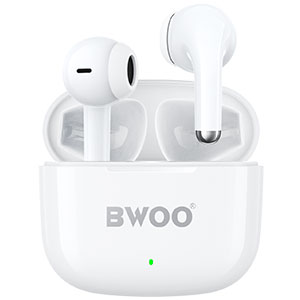
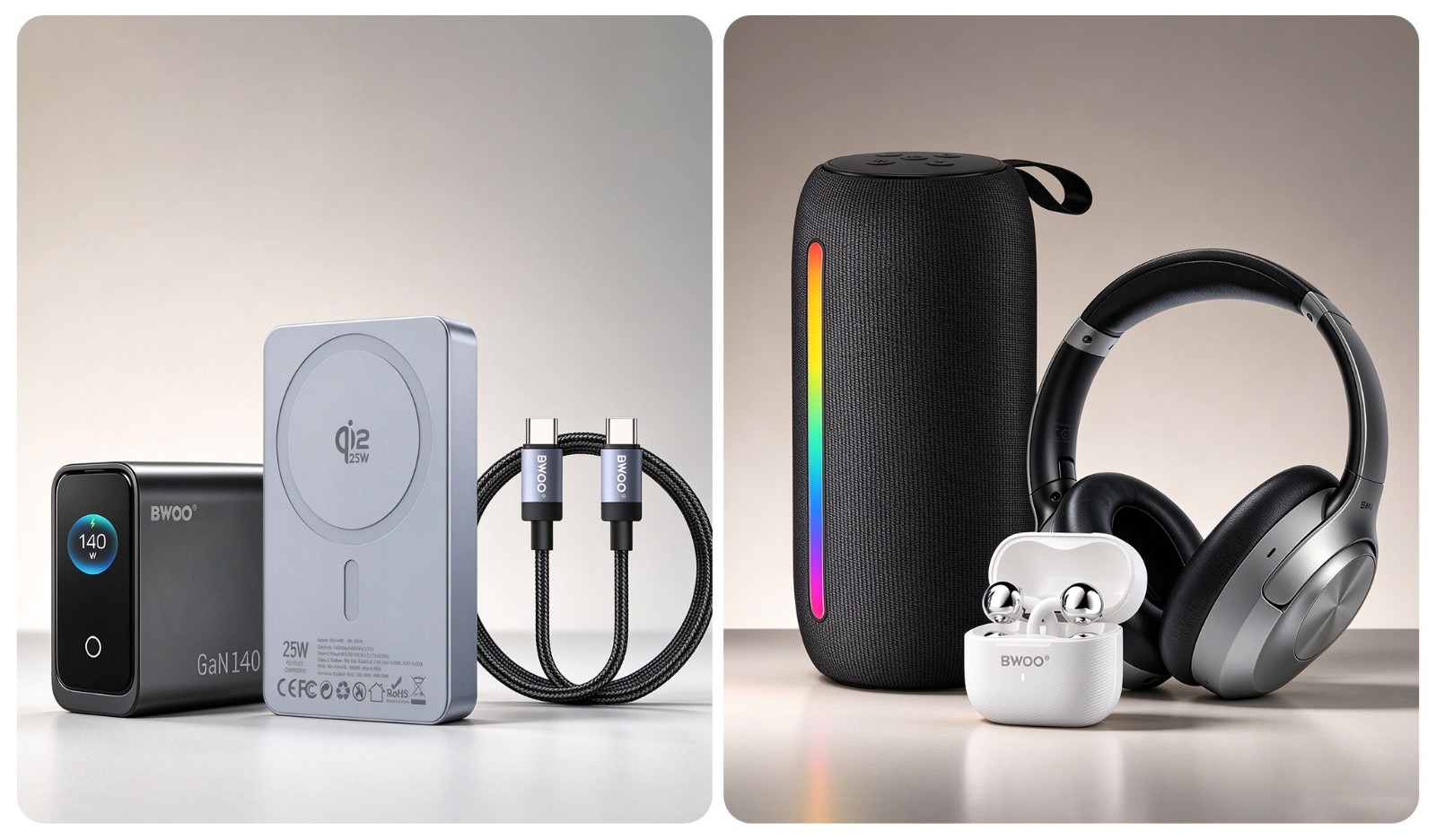
BWOO | BWOO's company profile describes an R&D/manufacturing-oriented business with charging, power-bank, cable, audio and wearable categories for B2B buyers. | Verify current product specifications, model-specific compliance evidence, MOQ, customization scope, lead time and after-sales terms for the exact project. |
This list is a starting point for research, not a substitute for a supplier audit. Buyers should use the same criteria for every company—including BWOO, the publisher of this guide. Public company pages are helpful for identifying a brand's stated positioning; sample review and documentary checks are needed before a purchase decision.
A Practical Shortlist Process for Distributors and Brand Owners
Define the market and channel. List the destination countries, sales channel, expected retail price band, customer profile and the product categories that matter most.
Select a small set of relevant models. Compare product specifications, design, packaging, compatible devices and available price tiers instead of comparing brand names alone.
Request model-specific documentation. Confirm which reports and certificates apply to each SKU and target market; ask questions when the paperwork refers to another model or an unclear product family.
Test the sample and the service experience. Evaluate actual function, fit and finish, packaging, response time, replacement process and the clarity of technical answers.
Confirm commercial terms in writing. Record MOQ, lead time, payment terms, Incoterms, customization charges, sample terms, inspection requirements and procedures for changes between sample and production.
A single supplier may simplify coordination across multiple categories, while a multi-supplier model can create more choice or reduce reliance on one partner. Neither approach is automatically best. Decide based on your category depth, risk tolerance, purchasing volume and the work required to manage quality and logistics.
Where BWOO May Fit
For buyers looking to explore a broad mobile-accessory portfolio and discuss a B2B supplier relationship, BWOO's company profile and live product catalog are useful starting points. Review the relevant category pages, narrow the shortlist to specific models and request the documents needed for the intended market. The goal is not to assume that one supplier is right for every buyer; it is to identify whether the supplier's actual products and support model fit the project.
If your requirement involves a private-label launch, outline the project scope before requesting a quotation. If you are still deciding which category to enter, begin with the models and price points relevant to your customer base. You can then contact BWOO with a focused request for product information, samples or a wholesale discussion.
Conclusion
The best Chinese mobile accessory brand for a B2B buyer is the one that matches the target channel, portfolio requirements, evidence standards and commercial model—not necessarily the name with the strongest retail recognition. Use a transparent shortlist, compare specific models, check model-level documents and test samples before placing an order. This approach produces a more useful decision than a ranking that hides its scoring rules.
FAQ
Is a well-known consumer brand always the best wholesale partner?
No. Consumer recognition and wholesale fit are different questions. Check region rights, pricing, availability, support and whether the brand’s channel model suits your business.
What is the difference between a mobile accessory brand and a manufacturer?
A brand owns or markets a product identity; a manufacturer makes products. A company can do both, but the legal entity, production location and contracting party should be confirmed.
How should buyers compare product certifications?
Check the exact model, document number, issuing body, standard or regulation, applicable market and product version. Do not assume that a document for one product proves compliance for every item in a catalogue.
Should a distributor choose one supplier for all categories?
A broad supplier can simplify purchasing and logistics, while multiple suppliers can provide more specialized options. The best choice depends on category depth, order volume, risk and the resources available for supplier management.
What should be prepared before an OEM/ODM enquiry?
Prepare the target market, product category, required specifications, quantity estimate, branding and packaging requirements, compliance needs and target launch date. See the BWOO OEM/ODM guide for the wider project process.


