



Well-known brands such as Anker, Ugreen or Belkin dominate the consumer electronics accessories market. While their reputation is strong, working with large brands often involves strict distributor requirements, high minimum order quantities (MOQ), and slower response cycles.
For many small and medium-sized wholesalers, these barriers create real challenges. Large inventory commitments can tie up cash flow, and smaller distributors may receive lower priority in support and communication.
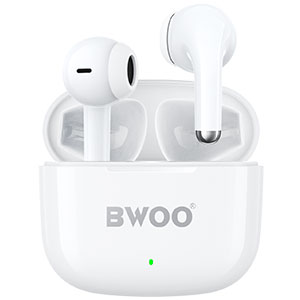
BWOO was built with a different mission: to support growing distributors and emerging brands with flexible cooperation models and responsive service. Instead of treating smaller partners as secondary accounts, BWOO focuses on building long-term partnerships that help SMEs grow in competitive markets.
1. Flexible Minimum Order Quantities (MOQs)
The Challenge With Large Brands
Major brands often require distributors to purchase thousands of units per model in a single order. For small wholesalers, this creates significant inventory pressure and financial risk.
Large upfront orders can slow down cash flow and limit the ability to test new products or trends.
BWOO's Flexible Approach
BWOO supports mix wholesale orders with smaller quantities across multiple product categories.
This flexible MOQ model allows partners to:
Test new products with lower financial risk
Introduce multiple product categories at the same time
Adjust inventory quickly based on market demand
For example, distributors can explore new opportunities such as magnetic charging accessories, smartwatches, or portable speakers without committing to large single-product orders.
Business Value for SMEs
Lower minimum orders allow wholesalers to experiment with new trends and respond faster to customer demand.
Instead of investing heavily in one product, partners can build a balanced product portfolio, which reduces risk and improves long-term profitability.
2. Faster Response and Operational Agility
The Typical Process With Large Corporations
Working with large corporations often involves multiple approval layers. Even simple requests—such as confirming packaging changes or requesting samples—may take weeks due to internal procedures.
In fast-moving consumer electronics markets, such delays can result in missed opportunities.
BWOO's Agile Communication Model
BWOO operates with a more direct and flexible communication structure. From initial inquiry to product sampling and OEM confirmation, the process is designed to move efficiently.
Compared with many larger brands, response times are typically significantly faster, allowing partners to move projects forward without unnecessary delays.
Speed Means Market Advantage
In the consumer electronics industry, timing is critical.
Distributors who receive new accessories—such as phone cases or charging cables for newly released smartphones—earlier than competitors can capture high-demand sales during the early market stage.
BWOO helps partners stay competitive by shortening development and supply timelines.
3. Tailored OEM and ODM Services
The Problem With Standardized Products
Large brands often provide standardized products that are widely available in the market. While these products are reliable, they may offer limited opportunities for brand differentiation.
For SMEs looking to build their own brand identity, this can be a challenge.
BWOO's Customization Capabilities
BWOO offers a full range of OEM and ODM customization services designed to help distributors develop their own brand presence.
Customization options include:
Laser engraving of brand logos
Custom product colors and materials
Personalized retail packaging design
Private-label product development
This flexibility allows partners to create unique product lines that stand out in competitive markets.
Supporting Brand Development
With years of experience in product development and manufacturing, BWOO has built a strong portfolio of patents, certifications, and quality standards.
These resources help distributors transition from simple resellers to independent brand owners, strengthening their long-term market position.
4. Transparent Pricing and Strong Profit Potential
The Profit Challenge With Major Brands
When distributing well-known global brands, a large portion of the final product price reflects brand premiums rather than manufacturing cost.
As a result, distributors may operate with relatively limited profit margins.
BWOO's Channel-Friendly Pricing Strategy
BWOO focuses on competitive pricing while maintaining strict product quality standards.
Products are manufactured to meet international certification requirements such as CE and RoHS, while still providing attractive margins for distribution partners.
For many wholesalers, BWOO products can offer 20%–35% higher profit potential compared with heavily branded alternatives.
This pricing model allows distributors to remain competitive while maintaining sustainable growth.
Conclusion:
Selecting a supplier is not only about finding products—it is about finding a long-term business partner.
BWOO supports wholesalers and distributors with flexible order quantities, fast response times, and strong customization capabilities, helping SMEs grow their product portfolios and develop their own brands.
BWOO is a professional consumer electronics manufacturer and B2B supplier, specializing in mobile accessories such as power banks, wireless earphones, smartwatches, charging cables, and portable speakers. With global supply experience and factory-direct solutions, BWOO supports distributors with wholesale supply, ODM services, and private-label opportunities.
If you are looking for a reliable wholesale partner, welcome to contact BWOO for product catalogs, pricing information, and cooperation opportunities.


