

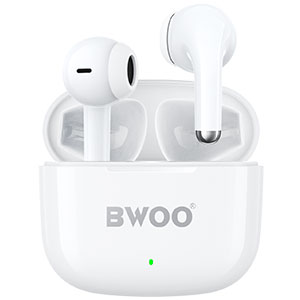


With the widespread use of smartphones and the rise of streaming media, wearing earbuds has become a daily habit for many people. From commuting and working to exercising and relaxing before sleep, earbuds are often worn for hours at a time.
However, BWOO frequently receives feedback from users who experience ear pressure, warmth, discomfort, or even ringing after long listening sessions. These symptoms are not uncommon—and they are often early signs of auditory overload.
So how long is it actually safe to wear earbuds each day? In this article, BWOO explains the science-backed guidelines, potential risks, and practical habits that help protect long-term hearing health.
The Scientific Guideline: The "60–60 Rule"
What Is the 60–60 Rule?
Hearing specialists commonly recommend the 60–60 rule as a simple and effective guideline:
Volume below 60%
Keep playback volume under 60% of the device's maximum output.
Duration under 60 minutes
After 60 minutes of continuous listening, take a break and let your ears rest.
Why This Rule Matters
Sound reaches the inner ear through air pressure vibrations. Prolonged exposure to high-volume sound can damage the delicate hair cells inside the cochlea.
Unlike other cells in the body, these hair cells do not regenerate, meaning hearing damage is often permanent.
Three Long-Term Risks of Excessive Earbud Use
1. Hearing Fatigue and Noise-Induced Hearing Loss
Early signs include ringing (tinnitus) and needing higher volume to hear clearly.
Long-term impact may result in irreversible hearing threshold shifts.
2. Bacterial Growth and Ear Canal Infections
True wireless earbuds (TWS) reduce airflow in the ear canal, creating a warm and humid environment.
This can increase the risk of:
Otitis externa (outer ear infections)
Fungal or bacterial irritation, especially in sweaty or humid conditions
3. Mechanical Pressure and the "Stethoscope Effect"
Prolonged physical pressure from in-ear designs can cause discomfort, pain, or swelling, particularly if the ear tips are not well-fitted.
Healthy Wearing Time by Usage Scenario
Office or Study Use (2–4 Hours Total per Day)
Use intermittent listening
Take a 10-minute break every hour
Consider speakers or over-ear headphones to reduce direct ear canal pressure
Sports and Fitness (1–2 Hours)
Sweat can carry dust and bacteria into earbud seams
Remove earbuds immediately after exercise
Clean ear tips and allow them to dry fully
Sleeping (Not Recommended)
Continuous pressure during sleep can irritate the ear canal
The auditory system does not get proper rest
Risk of discomfort or accidental overexposure increases
BWOO's Listening Health Philosophy
As a professional audio accessories brand, BWOO prioritizes listening comfort and long-term health in product development:
1. Ergonomic Acoustic Design
BWOO in-ear earbuds are developed using extensive ear-shape modeling, with multiple soft silicone ear tip sizes to reduce pressure.
2. Active Noise Cancellation (ANC / ENC)
By reducing ambient noise, users can listen at lower volumes, minimizing hearing strain at the source.
3. Skin-Safe Materials
Hypoallergenic materials help prevent irritation during extended use.
BWOO believes that better sound should never come at the cost of hearing health.
Five Daily Habits to Protect Your Hearing
1. Clean regularly
Wipe ear tips weekly with 70–75% alcohol to reduce bacteria buildup.
2. Avoid single-ear overuse
Alternate between left and right ears to balance auditory load.
3. Watch environmental noise
If you need over 80% volume in noisy environments, stop listening or switch to noise-canceling earbuds.
4. Enable device safety features
Use smartphone hearing protection or volume limit alerts.
5. Monitor early warning signs
Persistent ringing or ear fullness should not be ignored.
Conclusion
Earbuds enhance everyday life—but moderation is key to enjoying them long-term.
By understanding safe listening limits, choosing well-designed products, and adopting healthy habits, users can protect their hearing without giving up convenience.
BWOO remains committed not only to delivering quality sound, but also to promoting responsible and sustainable listening habits worldwide.


