

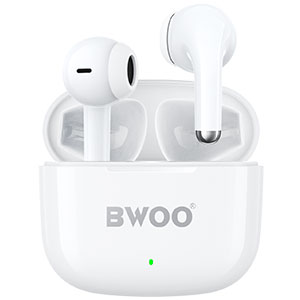


Search "TWS earbuds" on Alibaba, and you'll see prices ranging from $2 to $20 for products that look almost identical.
For small and medium wholesalers, choosing the cheapest option feels like a smart move — lower cost, higher margin, faster turnover.
But in the mobile accessories industry, extreme low prices almost always mean cost-cutting in places you can't see.
As a source manufacturer with years of production experience, BWOO understands exactly where those costs are reduced.
This article reveals what's really hidden behind "too-good-to-be-true" wholesale pricing — and how to avoid costly mistakes.
The Truth Behind Ultra-Low Wholesale Prices
Low prices don't come from magic. They come from compromises.
Battery Quality and Lifespan: The Hidden Time Bomb
Low-price approach
Many ultra-cheap products use:
Recycled or dismantled batteries
B-grade cells with unstable chemistry
These batteries often survive fewer than 100 charge cycles, with higher risks of swelling, overheating, or sudden capacity drop.
BWOO standard
BWOO uses brand-new A-grade lithium polymer cells, designed to retain over 80% capacity after 500 cycles, ensuring long-term reliability and safety.
Main Control Chips and Stability: Where Performance Is Lost
Low-price approach
To cut costs, some suppliers use:
Unknown chipsets
Refurbished or outdated ICs
This results in:
Unstable Bluetooth connections
Excessive heat
Poor compatibility with PD or QC fast charging protocols
No firmware upgrade capability
BWOO standard
BWOO partners with established solution providers such as Jieli and Zhiman, ensuring stable performance, broad protocol compatibility, and consistent quality control.
Materials and Manufacturing: What the Shell Tells You
Low-price approach
Cheap products often use:
Recycled plastic (secondary materials)
Brittle housings with no fire resistance rating
These materials crack easily and may fail basic safety requirements.
BWOO standard
BWOO products use virgin PC+ABS flame-retardant materials, tested to V0 fire resistance level, offering better durability and enhanced user safety.
Alibaba Sourcing Guide: 4 Red Flags You Should Never Ignore
Spotting bad suppliers early saves time, money, and reputation.
1. Prices Far Below Market Average
If a GaN charger is priced at half the market rate, it's likely:
Not real GaN
Missing critical protection circuits (such as FOD or thermal safeguards)
2. Over-Polished Product Images
Many trading companies reuse or steal images from major brands.
Tip: Ask for real product videos, factory walkthroughs, or live demonstrations.
3. Misused or Mismatched Certificates
Some suppliers present certificates that:
Belong to another company
Don't match the actual product model
BWOO provides verifiable CE, RoHS, and UKCA certification numbers tied directly to our products and company name.
4. Lack of Technical Knowledge
Ask specific questions like:
Cable conductor specifications
Charging ripple values
Battery cycle ratings
If answers are vague or avoided, you're likely dealing with a reseller — not a manufacturer.
Why Source Manufacturers Beat Low-Cost Trading Companies
Full Quality Traceability
Trading companies often disappear after one shipment.
BWOO operates its own QC laboratory, with batch-level tracking and documented testing — ensuring accountability long after delivery.
Flexible MOQ for Growing Wholesalers
Large factories often require high minimum orders.
BWOO supports flexible MOQs for reliable partners, allowing wholesalers to test markets without excessive inventory risk.
Reliable After-Sales Support
Defects are inevitable in electronics.
While many traders deflect responsibility, BWOO provides structured after-sales policies, including replacements, technical support, and clear communication.
Conclusion: Build a Value Chain, Not a Price War
Chasing the lowest price may boost short-term margins, but it often damages brands beyond repair.
In wholesale, true profitability comes from stability, compliance, and trust — not from shaving cents off production costs.
Choosing the right manufacturing partner means building a long-term value chain, not gambling on the cheapest quote.


