

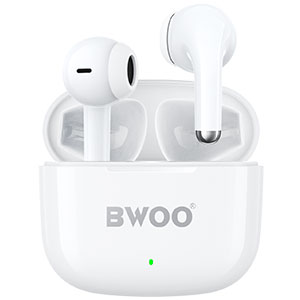


Sustainability is no longer a marketing buzzword-it is a critical responsibility for modern consumer electronics brands. At BWOO, we strive to deliver excellent product quality while contributing to a healthier planet. One impactful area where we continue to invest is sustainable packaging. This article explores why eco-friendly packaging matters, how BWOO is implementing greener solutions, and what the shift toward sustainable materials means for the future of audio technology.
Why Sustainability Matters in Consumer Electronics
The consumer electronics industry generates hundreds of millions of headphone and earbud shipments globally every year. With each purchase comes packaging that is often discarded within minutes and ends up in landfills within a few years. The cumulative impact of traditional packaging-particularly plastic trays, laminated coatings, and petroleum-based inks-is substantial.
Small changes in packaging design can lead to large environmental improvements when scaled across global sales. Reduced plastic use, recyclable materials, and compact packaging dimensions can collectively cut waste and lower emissions over the entire supply chain. For brands in the audio sector, embracing sustainable packaging is no longer optional; it is an essential step toward reducing environmental impact while aligning with modern consumer expectations.
BWOO's Eco-Friendly Packaging Practices
BWOO integrates sustainability principles into every stage of packaging design:
Reduced Plastic Usage
We prioritize replacing plastic components-such as inner trays or clamshells-with paper-based or fiber-molded alternatives. This shift minimizes fossil-fuel-based materials and improves recyclability.
Increased Use of Paper and Recyclable Materials
FSC-certified paper, kraft paper, and recycled cardboard are used wherever appropriate. These materials are easier to recycle and decompose naturally without releasing harmful microplastics.
Eco-Friendly Printing Inks
BWOO uses environmentally friendly inks, such as soy-based or water-based inks, which contain fewer volatile organic compounds (VOCs) and support cleaner production.
Optimized Packaging Size
By redesigning packaging dimensions, we eliminate unnecessary filler space and reduce the need for extra inserts or trays. Smaller and lighter packaging allows more units to be transported per shipment, resulting in fewer trucks on the road and lower carbon emissions.
Lower Transportation Emissions
Compact packaging directly improves logistics efficiency. Increasing shipment density leads to reduced fuel consumption and a smaller transportation footprint across global supply routes.
Through these combined practices, BWOO aims to achieve packaging that is practical, protective, and environmentally responsible.
New Materials Driving Innovation in Earphone Design
Sustainability is not limited to packaging-new material innovation is transforming the audio industry as well. Several emerging materials contribute to greener product development:
Bioplastics
Derived from renewable sources such as corn starch, sugarcane, or cellulose, bioplastics offer a reduced carbon footprint compared with traditional petroleum-based plastics. They can be molded into earphone housings, cable parts, or internal chassis components.
Recycled Carbon Fiber
Reprocessed carbon fiber maintains strength and durability while significantly reducing waste compared to producing new carbon fiber. It is increasingly used in structural parts, shells, and reinforcement components for lightweight audio products.
Silicone-Based Materials for Drivers
Advanced silicone materials are being applied to driver diaphragms and acoustic components. These materials offer flexibility, durability, and stability while reducing reliance on petrochemical-based plastics.
Together, these innovations demonstrate how environmentally conscious materials can also enhance performance, durability, and product longevity.
What Suppliers Should Know: The Value Behind Sustainable Materials
Adopting eco-friendly packaging and materials may involve higher initial costs, but the long-term value is significant for both brands and suppliers.
Brand Reputation and Consumer Trust
Using sustainable materials helps brands align with global environmental standards and certification requirements. Consumers increasingly prefer eco-conscious brands, boosting brand loyalty and recognition.
Preparing for Future Environmental Regulations
As governments worldwide explore carbon taxes and elevate restrictions on petroleum-based materials, the cost of traditional plastics is expected to rise. Early adoption of eco-friendly alternatives helps companies stay compliant and reduce future financial risk.
Better Premium Positioning
Environmentally conscious consumers demonstrate stronger willingness to pay for green products. Brands that provide sustainable electronics are more capable of commanding higher price points and standing out in competitive markets.
These advantages prove that sustainability is an investment-not an expense.
Frequently Asked Questions
What are bioplastics?
Bioplastics are materials produced from renewable biological sources such as corn, sugarcane, algae, or cellulose. They can reduce carbon footprint and may be biodegradable or compostable depending on the specific formulation.
Are eco-friendly materials durable?
Yes. Modern bioplastics, recycled carbon composites, and silicone-based materials can match or even exceed the durability of conventional plastics. Many of these materials undergo the same reliability testing used for standard electronic components.
How difficult is it to obtain environmental certifications?
Achieving certifications such as FSC, RoHS, REACH, or biodegradable packaging labels requires strict compliance with material sourcing, processing, and safety standards. While the process requires investment and technical documentation, meeting these certifications greatly increases brand credibility in global markets.
Conclusion: Embracing the Future of Sustainable Audio Products
The shift toward environmentally responsible packaging and materials is reshaping the future of consumer electronics. BWOO is committed to adopting practical, science-based solutions that reduce waste, lower emissions, and prepare for global sustainability requirements. As eco-friendly materials continue to evolve, the audio industry is moving toward a greener and more innovative future-one responsible package at a time.


