








Why Does My Car Charger Stop Working Suddenly? Common Causes Explained

2026-04-09 13:39
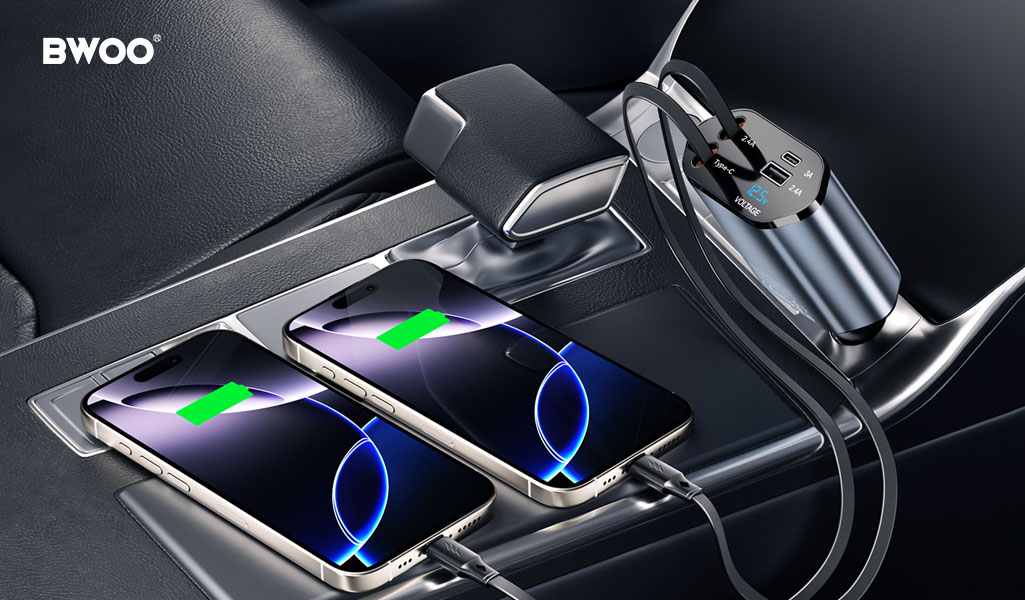
You're using navigation, and suddenly the charging icon disappears. This is one of the most frustrating experiences for drivers.
In 2026, a car charger is no longer just a simple plug—it is a compact power conversion system handling voltage fluctuations, fast charging protocols, and real-time protection.
When it stops working, it's rarely a single component failure. Instead, it's usually caused by environmental factors, protocol issues, or built-in safety mechanisms.
This guide will help you identify the real cause—and how to prevent it.
1. Loose Connection: The Hidden Physical Problem
Vibration-Induced Displacement
During driving, constant vibration can cause poorly designed chargers to:
Slightly shift out of the socket
Lose contact between positive and negative terminals
Even a tiny gap can interrupt charging.
Oxidation and Dirt Build-Up
Over time, the cigarette lighter socket may develop:
Oxidation layers
Dust or ash accumulation
This increases electrical resistance and leads to unstable connections.
Solution
Choose chargers with dual anti-slip spring contacts
Clean the socket regularly using a cotton swab
2. Blown Fuse: The Vehicle's Self-Protection
Voltage Surge at Engine Start
When starting the car:
Battery voltage may spike instantly
Low-quality chargers without surge protection may fail
This can result in:
Blown car fuse
Internal charger fuse damage
Power Overload
Using multiple high-power devices simultaneously may exceed the socket's limit.
Diagnosis
Check the vehicle's fuse box
Test the charger in another socket
3. Thermal Protection: Overheating Shutdown
High Temperature + Fast Charging
In summer conditions:
Enclosed car interiors trap heat
High-power chargers (e.g., 100W) generate additional heat
If temperature rises too high:
Internal sensors trigger thermal protection
Output is reduced or completely shut off
BWOO Advantage
BWOO car chargers use:
Aluminum alloy housing for faster heat dissipation
Up to 30% better cooling efficiency than plastic designs
This ensures stable performance even under high temperatures.
4. Protocol Mismatch: Smart Charging Failure
Fast Charging "Handshake" Failure
Modern fast charging relies on communication between:
Charger
Cable
Device
If the "handshake" fails:
Charging may stop completely
System defaults to protection mode
Common Causes
Damaged or low-quality cable
Dust or oxidation in connectors
Incompatible charging protocols
Cable Aging in Car Environments
Extreme temperature changes inside vehicles can:
Degrade cable insulation
Cause internal wire instability
This leads to intermittent charging or disconnection.
5. Buying Guide: How to Choose a Reliable Car Charger
Material Matters
Choose:
Full metal or zinc alloy housing
Benefits:
Better heat dissipation
Stronger structural stability
Comprehensive Protection System
A reliable charger must include:
Overcurrent protection
Overvoltage protection
Overtemperature protection
Short circuit protection
Undervoltage protection
Surge protection
Protocol Compatibility
Ensure support for:
PPS (Programmable Power Supply)
PD fast charging standards
This guarantees compatibility with 2026 flagship devices.
6. Conclusion
A car charger stopping suddenly is usually not a defect—it's a signal from the system.
Understanding the causes—whether physical, thermal, or protocol-related—helps you:
Avoid interruptions
Protect your devices
Ensure safe driving
Stable power is the foundation of safe and efficient travel.
About BWOO
BWOO is a professional B2B mobile accessories manufacturer and supplier, specializing in car chargers, power solutions, and smart accessories.
With advanced engineering, premium materials, and full safety protection systems, BWOO delivers reliable charging solutions for modern vehicles.
Contact us today to explore wholesale opportunities and customized product solutions.


Comment
Leave a Reply
Your email address will not be published. Required. Required fields are marked*


Comment
There are no comments yet!